



























Common Mistakes to Avoid When Installing LED Recessed Lights
Avoiding these common LED recessed lights installation mistakes ensures a flawless setup, enhancing your space's aesthetics and energy efficiency effortlessly.

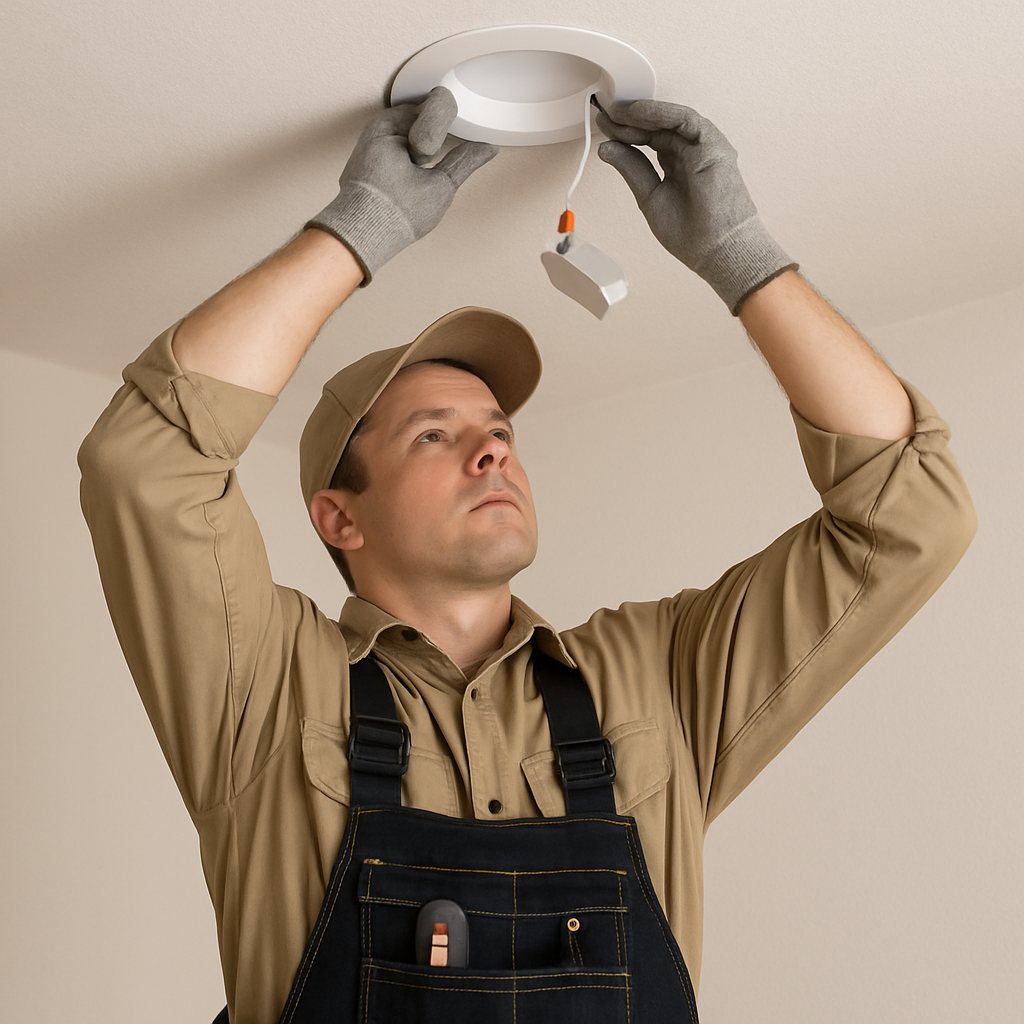
Installing LED recessed lights can dramatically improve the aesthetics and functionality of your space, providing efficient lighting while saving energy. These fixtures offer a sleek, modern look that blends seamlessly into ceilings, making them an attractive choice for many homeowners and businesses. However, like any home improvement project, it requires careful planning and execution to avoid common pitfalls. This article will guide you through the common mistakes to avoid when installing LED recessed lights, ensuring a smooth and successful installation process. By understanding these potential errors, you'll be better prepared to tackle the project with confidence and achieve the desired results.
Before diving into the installation process, it's essential to understand what LED recessed lights are. Also known as can lights or downlights, these fixtures are embedded into the ceiling, providing a sleek, modern look. They are popular in both residential and commercial settings due to their energy efficiency and versatility. The ability to provide focused lighting without the bulkiness of traditional fixtures makes them ideal for a variety of applications, from illuminating a cozy living room to highlighting artwork in a gallery.
LED recessed lighting come in various styles and sizes, allowing for customization to suit different design preferences and functional needs. They can be used for general lighting, task lighting, or accent lighting, depending on the placement and type of bulb used. Understanding the basic components and functionality of these lights will help you make informed decisions throughout the installation process. It's also important to be aware of the different trim options available, as these can affect the light's dispersion and the overall ambiance of the space.
ChoosingtheRightLEDRecessedLights
Selecting the right type of LED recessed lighting is crucial. Consider factors such as the size of the room, the height of the ceiling, and the intended use of the space. Make sure the lights you choose are suitable for the environment, whether it's a damp location like a bathroom or a dry area like a living room. The lighting requirements for a kitchen may differ significantly from those of a bedroom, so its essential to tailor your choices to the specific needs of each room.
In addition to the environmental considerations, think about the color temperature and brightness level that will best complement the rooms decor and purpose. Warmer tones might be more suitable for relaxation areas, while cooler tones can enhance focus and clarity in workspaces. Some LED recessed lights also offer adjustable color temperatures, providing flexibility to change the ambiance as needed. Ensure that any fixtures you choose are compatible with your existing electrical infrastructure to avoid complications during installation.
Common Mistakes to Avoid
Avoiding common mistakes during installation can save you time, money, and frustration. Here are some pitfalls to watch out for. By being aware of these potential issues ahead of time, you can take proactive measures to prevent them from occurring.
Mistake 1: Skipping the Planning Phase
One of the most common mistakes is diving into the project without proper planning. A well-thought-out plan includes determining the number of lights needed, their placement, and the type of fixtures required. Without a comprehensive plan, you might end up with inadequate lighting or an uneven distribution of light, leading to dissatisfaction with the final result.
Proper planning also involves assessing the electrical capacity and ensuring that your circuit can handle the additional load from the new fixtures. It's also advisable to consider how the installation will affect existing features such as ceiling fans or ventilation systems. Take the time to measure and sketch out a layout before beginning any work to ensure you are fully prepared for a successful installation.
Determining the Number of Lights
A common rule of thumb is to space the lights evenly, about 4 to 6 feet apart, depending on the ceiling height and the room's dimensions. Consider the purpose of the lightingwhether it's for general illumination, task lighting, or accent lightingand plan accordingly. The number of lights should be sufficient to eliminate dark spots while avoiding excessive brightness that can be uncomfortable or wasteful.
To accurately determine the number of lights needed, you can use lighting calculators available online or consult with a lighting specialist. They can help you take into account variables such as natural light availability and furniture arrangement to achieve a balanced lighting scheme. Remember that factors like wall color and texture can also impact how light is distributed in a room, so adjust your plans as necessary to compensate for these elements.
Planning the Layout
Improper layout can lead to uneven lighting and unsightly shadows. Use a layout plan to visualize the placement of each light. Consider the room's features, such as furniture placement and architectural elements, to ensure the lighting is balanced and effective. For instance, placing lights directly above seating areas can create glare, whereas strategic placement can provide a pleasant, diffused glow.
When planning the layout, also consider how the lighting will interact with other elements in the room, such as artwork, shelving, or decorative features. You may want to highlight specific areas while keeping others more subdued. This requires careful thought and possibly some experimentation to achieve the desired effect. Utilizing software or tools that allow you to simulate different layouts can be extremely helpful in visualizing the end result before any physical work begins.
Mistake 2: Ignoring the Type of Ceiling
Different ceiling types require different installation methods. For example, installing lights in a drywall ceiling differs from installing them in a drop ceiling. Ignoring these differences can lead to improper installation and potential damage. Each ceiling type has its own set of challenges and requirements, which must be addressed to ensure a secure and stable fixture installation.
For instance, drop ceilings may require special mounts or brackets to securely hold the lights, while solid ceilings may need additional support for heavier fixtures. It's crucial to understand these nuances and select the appropriate hardware and techniques for your specific ceiling type. Consulting with a professional or referencing manufacturer guidelines can provide valuable insights into the best practices for your particular situation.
Mistake 3: Overlooking Insulation and Heat Management
LED lights generate less heat than traditional bulbs, but heat management is still crucial. Ensure that the fixtures are rated for insulation contact (IC-rated) if they will be in contact with insulation. This will prevent overheating and potential fire hazards. Ignoring this aspect can compromise the safety of your installation, posing risks to both the structure and inhabitants of the space.
Proper ventilation is another aspect of heat management that should not be overlooked. Even with IC-rated fixtures, ensuring that heat can dissipate effectively is vital to maintaining the longevity and performance of the lights. Consider factors such as the spacing between the fixture and insulation and whether additional ventilation is required to facilitate heat escape. Addressing these elements in your planning phase can prevent costly repairs or replacements down the line.
Mistake 4: Incorrect Wiring
Incorrect wiring is a common issue that can lead to malfunctioning lights or even electrical hazards. Ensure you follow the manufacturer's instructions and local electrical codes. If you're not comfortable with electrical work, hire a licensed electrician to handle the wiring. Attempting to perform electrical tasks without the necessary knowledge or experience can result in serious safety risks, including shocks or fires.
In addition to safety concerns, improper wiring can lead to inefficient light operation, such as flickering or uneven illumination. It's important to double-check all connections and ensure that the wiring is compatible with your home's electrical system. Taking the time to verify these elements before completing the installation can save you from future headaches and potential hazards.
Mistake 5: Not Testing the Lights Before Final Installation
Testing the lights before final installation can save you from having to remove and reinstall fixtures if something goes wrong. Connect the lights temporarily to ensure they function properly before securing them permanently in place. This step is crucial to catching any wiring errors or defective fixtures early in the process, allowing for timely corrections.
By testing the lights, you can also assess the overall lighting effect and make any necessary adjustments to the layout before finalizing the installation. This ensures that the lighting meets your expectations and functions as intended. Skipping this step can result in frustrating rework and additional costs, so take the time to conduct a thorough test run before committing to the final setup.
Tips for Successful Installation
To avoid these common mistakes, keep the following tips in mind during your installation process. These guidelines will help you achieve a seamless installation that enhances your space with efficient and effective lighting.
Invest in Quality Fixtures
Choosing high-quality LED recessed lights can make a significant difference in performance and longevity. Look for products with a good warranty and positive reviews. Investing in well-made fixtures not only ensures better light output and durability but also provides peace of mind knowing that your lights will stand the test of time.
Quality fixtures often come with advanced features such as improved heat dissipation, adjustable color temperatures, and more efficient power consumption. While they may come at a higher initial cost, their superior performance and reduced maintenance needs can lead to long-term savings. Prioritize quality over cost to ensure you get the most out of your investment.
Follow Safety Guidelines
Safety should always be a priority. Turn off the power supply before starting the installation and use appropriate safety gear, such as gloves and goggles, to protect yourself. Ensuring that you adhere to safety protocols minimizes the risk of accidents and injuries during the installation process.
Familiarize yourself with local building codes and electrical standards to ensure compliance with safety regulations. This not only protects you but also ensures that your installation is up to code, which can be crucial if you decide to sell your home in the future. Taking these precautions will help you complete the project safely and efficiently.
Consider Dimming Options
Dimmable LED recessed lights offer flexibility in setting the mood and ambiance of a room. Ensure your fixtures are compatible with dimmer switches, and consider installing them for added control over lighting levels. Dimmers can enhance the functionality of your lighting by allowing you to adjust brightness according to the time of day or activity.
When selecting dimmable lights, check for compatibility with your existing dimmer switches, as not all LEDs work well with all dimmers. Some may require specific dimmers to operate correctly without flickering or buzzing. Taking the time to research and select the right components can significantly enhance your lighting experience and provide greater flexibility in how you use your space.
Hire a Professional
If you're unsure about any part of the installation process, hiring a professional electrician can ensure the job is done correctly and safely. Professionals bring expertise and experience that can prevent costly mistakes and guarantee that your installation meets all safety and performance standards.
While hiring a professional represents an additional expense, it can be a worthwhile investment for those who lack the confidence or skills to complete the installation themselves. A professional can also offer valuable advice on selecting fixtures and optimizing the layout, contributing to a more successful and satisfying end result.
To enhance your home's lighting with LED recessed lights, consider sourcing your fixtures from reputable distributors like BestLEDz. They offer a wide range of quality LED recessed lights that can improve energy efficiency while ensuring your installation meets high standards. By opting for products from BestLEDz, you can have confidence in the quality and performance of your lighting solutions, ultimately leading to a successful and visually appealing lighting project in your home.