


























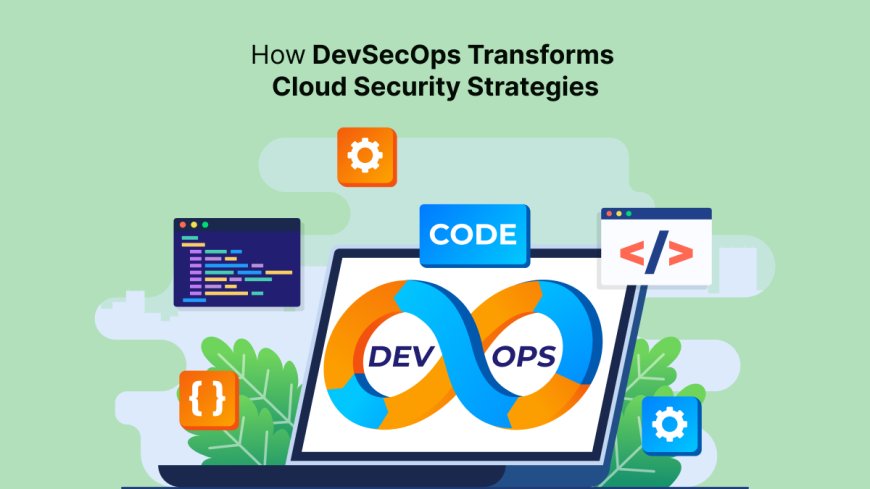
How DevSecOps Transforms Cloud Security Strategies
Discover how DevSecOps transforms cloud security strategies by integrating security into development, reducing risks, and ensuring compliance.
As businesses shift more of their operations to the cloud, the need for strong and adaptable cloud security strategies has never been more urgent. While the cloud offers flexibility, speed, and scalability, it also introduces a wide range of security concerns. Traditional security methods often struggle to keep up with the fast pace of cloud environments. Thats where DevSecOps steps in to transform how companies handle cloud security.
DevSecOps, which stands for Development, Security, and Operations, is more than just a trend. Its a fundamental change in how organizations build, test, and deploy their applications in the cloud. By integrating security practices into every step of the development process, DevSecOps helps businesses stay ahead of potential threats while delivering high-quality software quickly. In this blog, well dive into how DevSecOps transforms cloud security strategies, making systems more secure, teams more efficient, and businesses more resilient.
What is DevSecOps?
DevSecOps is a method that blends security into the traditional DevOps workflow. Instead of treating security as a final step or a separate department, DevSecOps weaves security practices into the entire software development and deployment process. This shift makes security a shared responsibility across developers, operations staff, and security professionals.
In a DevSecOps environment, security checks and tools are part of the CI/CD (Continuous Integration and Continuous Deployment) pipeline. This allows organizations to detect and resolve issues early, automate security tests, and enforce best practices without slowing down the development cycle.
Why Cloud Security Needs a Rethink
Cloud environments are dynamic, scalable, and accessible. These benefits also create vulnerabilities if security is not handled correctly. Traditional security methods were designed for static, on-premise systems. They often rely on manual checks, periodic reviews, and after-the-fact audits. That approach doesnt work well in todays fast-moving cloud-based world.
Modern cloud platforms change constantlynew instances spin up, containers get updated, APIs are exposed, and user permissions shift daily. Security must move just as fast. Thats why businesses need a strategy like DevSecOps that matches the speed and flexibility of the cloud.
Key Ways DevSecOps Transforms Cloud Security
Integrates Security from the Start
DevSecOps makes security an essential part of the development lifecycle. Instead of waiting until software is finished to conduct a security review, teams run automated security scans and code analysis during development. This helps catch vulnerabilities early when they are easier and cheaper to fix.
Promotes Automation and Speed
One of the biggest advantages of DevSecOps is automation. Security tools are plugged into the CI/CD pipeline to automatically scan code, detect configuration issues, monitor dependencies, and validate compliance. This eliminates the need for slow manual reviews and reduces human error, all while maintaining fast release cycles.
Encourages Collaboration
Traditional setups often put development, security, and operations in separate silos. DevSecOps breaks down these walls. All teams work together, share responsibility, and understand each others goals. Developers learn about secure coding. Security experts understand development challenges. Operations teams align deployments with security requirements.

Enhances Cloud Infrastructure Security
DevSecOps works well with Infrastructure as Code (IaC), a method where infrastructure is defined and managed through code. Using IaC, businesses can create secure and repeatable cloud environments. Misconfigurationsa common cause of data breachesare reduced through version-controlled, tested, and approved templates.
Improves Visibility and Monitoring
In a DevSecOps setup, security doesnt stop after deployment. Monitoring tools track whats happening in real-timewhos accessing what, what services are running, and whether anything looks suspicious. Logs and metrics help teams investigate issues quickly and keep systems secure.
How DevSecOps Aligns with Modern Cloud Models
Public Cloud
For businesses using public cloud providers like AWS, Azure, or Google Cloud, DevSecOps helps bridge the shared responsibility model. The cloud provider secures the infrastructure, but businesses must secure their own apps, data, and configurations. DevSecOps automates many of these security tasks, making it easier to stay compliant and secure.
Private Cloud
In private cloud environments, security is often stricter. DevSecOps allows organizations to maintain high security standards while adopting agile practices. Automated security checks, policy enforcement, and access control tools ensure that the private cloud remains safe without slowing down innovation.
Hybrid and Multi-Cloud
DevSecOps offers consistency across hybrid and multi-cloud setups. No matter where your apps are hosted, the same security policies, testing tools, and monitoring practices apply. This unified approach reduces gaps and simplifies management.
Benefits of DevSecOps for Cloud Security Strategy
Proactive Security
DevSecOps is about staying ahead of threats, not reacting after damage is done. Automated testing and real-time feedback loops help find vulnerabilities before they become major issues.
Compliance Made Easier
Many industries must follow strict rules regarding data privacy and security. DevSecOps tools can check compliance continuously, log activities for audits, and alert teams when something goes wrong. This makes it easier to meet standards like GDPR, HIPAA, or ISO.
Cost-Effective Risk Management
Fixing issues earlier in the development cycle is cheaper than after deployment. DevSecOps helps reduce the number of late-stage vulnerabilities, support tickets, and downtime, saving money over time.
Shorter Development Cycles
Security is no longer a bottleneck. With DevSecOps, it becomes a natural part of the development process. This allows businesses to deliver secure products faster and stay competitive in the market.
Real-World Example: DevSecOps in Action
Lets say a tech company is building an on-demand application to connect service providers with customers. The application runs on the cloud, uses APIs for communication, and stores user data.
Using DevSecOps, the company sets up automated security scans to check for weak passwords, exposed APIs, or insecure data storage. They also use IaC to build their cloud environment using templates that are reviewed and approved for security. As code is written and deployed, tools constantly scan for known vulnerabilities in open-source libraries.
When the system detects a suspicious login attempt, the monitoring tools immediately alert the team and block access. Logs are generated for review and compliance reporting. All of this happens automatically, with little human intervention. The result? A secure, reliable, and fast cloud application that builds trust with users.
Read more: How DevSecOps Integrates Security in Cloud Environments
Common Challenges in Adopting DevSecOps
Culture Shift
Moving to DevSecOps requires changing the way teams work. Developers need to learn about security, and security teams must understand development. It takes time and leadership to create this collaborative culture.
Tool Overload
There are many DevSecOps tools availablecode scanners, monitoring platforms, vulnerability databases, access managers, and more. Choosing the right set of tools and integrating them effectively is crucial.
Skills Gap
Not every team member will have expertise in security. Training is essential to bring everyone up to speed on secure coding practices, cloud threats, and compliance needs.
Initial Investment
Building a DevSecOps workflow takes time, effort, and resources. While the long-term benefits are huge, some companies struggle with the upfront commitment.
Best Practices for Using DevSecOps in Cloud Security
Start Small and Scale
Begin with simple security tests and gradually add more tools and processes. This prevents overwhelming your teams and helps them adjust smoothly.
Choose Compatible Tools
Look for tools that integrate with your existing CI/CD pipeline and cloud platforms. Compatibility ensures smoother automation and fewer bugs.
Educate Your Teams
Training is key. Make sure everyonefrom developers to testers to operationsunderstands their role in maintaining security.
Measure and Improve
Track metrics like number of vulnerabilities found, fix times, and compliance scores. Use this data to refine your strategy.
Conclusion
Cloud security isnt what it used to beand it cant afford to be. With todays ever-changing cloud environments, businesses need a smarter, faster, and more integrated way to stay protected. DevSecOps transforms cloud security strategies by making security part of every step of the development process. It promotes a culture where everyone is responsible, ensures faster detection of threats, and enables safer and quicker product releases.
Whether you're launching new cloud applications or improving existing ones, DevSecOps gives your business the edge it needs to stay secure and agile. As more companies invest in digital transformation and partner with an on demand app development company, its clear that DevSecOps isnt just a security strategyits a business necessity.
FAQs
What is the main goal of DevSecOps in cloud environments?
The main goal is to integrate security into every stage of the development and deployment process, making it a shared responsibility and ensuring faster, safer releases.
Can DevSecOps work with any cloud platform?
Yes, DevSecOps practices can be applied across public, private, and hybrid cloud environments. It ensures consistent security regardless of the platform.
Is DevSecOps only useful for large companies?
Not at all. Even small and medium businesses benefit from DevSecOps by automating security checks and improving development efficiency.
What kinds of tools are used in DevSecOps?
Common tools include code scanners, vulnerability management platforms, CI/CD tools, infrastructure as code tools, and monitoring systems.
How does DevSecOps affect compliance?
DevSecOps helps businesses meet compliance requirements by continuously monitoring and logging activities, automating policy enforcement, and reducing the chances of violations.