
























How To Secure Your Spot On This Vibrant Ghorepani Trek Route
Plan your Ghorepani Poon Hill Trek like a pro! Get insider tips on the best seasons, early booking, and smart prep for a hassle-free Himalayan adventure.

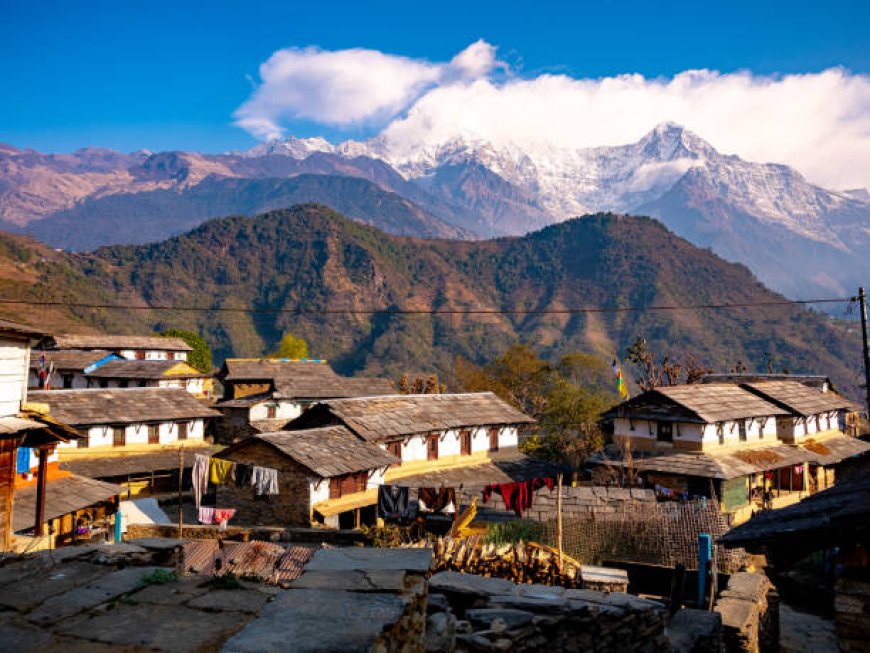
How To Secure Your Spot On This Vibrant Ghorepani Trek Route
The Ghorepani Poon Hill Trek is among?Nepals most famous trekking circuits known for the dramatic sunrise views from Poon Hill, incredible enriched cultural experiences and astonishing natural beauty. With tourism picking up again and this trek becoming more and more popular, getting your Ghorepani trek locked in requires some strategic planning and insider knowledge. Whether youre a novice trekker or an experienced traveller, this guide will take you through the booking process, tell you how to prepare properly, and give you advice on how to travel along this famous Himalayan trail with ease to create memories on the journey of a lifetime.
Decide When to Go The first thing you need to do to secure your place on the Ghorepani Trek is to decide the best time to go. The best trekking periods are spring (Mar to May) and autumn (Sep to Nov)?when the weather is stable, clear, and the rhododendron forest is in full bloom. However, these are also the busiest times of year when the most trekkers will be on the trail, and lodges and guides can be scarce. Ultimate checklist for the most awesome adventure of your life. To avoid any kind of last-minute hassle, be sure to book flights and permits around 2, or preferably 3, months in advance. It is crucial to plan early booking, especially if you are travelling during holidays or local festival seasons when local teahouses are quickly booked solid.
Also, take care to choose your trekking agency or determine if you want to trek independently. A lot of trekkers go for a guided tour or carry a porter on the trails due to the high altitude and the remoteness of the areas on the trail. If youre booking through a trekking agency, look for companies with a good reputation and read reviews as well as organisations that have working relationships with local teahouses and porters. Most of these agencies can secure for you a good guide, a porter, and some other pre-booked lodgings if you book ahead. If you like freelance trekking, ensure you get your ACAP and TIMS card a little bit in advance and let some teahouses know them when you arrive, so they dont kick you off and send you back due to overcrowding.
Decisions on what to pack are safe bets, as well as how you choose to share the trail. The Ghorepani Poon Hill Trek Nepal is so loved because the altitude is accessible the route well-worn, though teahouses available can be of differing size?and number. With a light pack, you have a lot more choice of teahouse accommodation, even the smaller and quieter lodges away from the beaten track. Getting there early every day increases the likelihood of landing a bed and somewhere comfortable to lay your head down after a long day of hiking. A headlamp is a must for the?predawn climbs up to Poon Hill before sunrise, which means you can go to the viewpoint early to avoid the crowds at the expense of beginning your day in the dark.
Also, your trek can be much more enjoyable when you keep a flexible demeanor and are respectful of the local culture. The Ghorepani trail walks through Gurung and Magar villages, and many of the teahouses are operated by them. Displaying gratitude, polite interaction, and business helps reinforce good relations, ?and sometimes gets you priority in busy lodges. Patience during busy seasons and a willingness to change plans last-minute prevent frustration and increase the likelihood of easy travels.
Finally, its also important to keep up to date on current trail conditions and travel advisories. The Poon Hill Ghorepani Trek takes you through the remote mountain paths which may be disrupted by the weather conditions, landslides, or?seasonal variations. You can avoid surprises and plan your days well if you consult local guides, trekking forums, or get the information from official Nepal tourism sources before and during the trek. With a bit of initial planning, savvy booking, cultural sensitivity, and logistical readiness, you can easily earn yourself a perfect piece of real estate on this colourful trail and completely enjoy this jaw-clenching experience - the Ghorepani Trek.
To sum up, to book your spot on the Ghorepani Trek, it all comes down to timing, bookings, what you pack, your sensitivity to culture, and being informed. Using these techniques, youll be able to sidestep the common obstacles, take in the jaw-dropping beauty of the Himalayas, and make memories thatll stick with you for the rest of your life on one of Nepals favorite trekking routes.
Introduction: Why Ghorepani Trek so popular
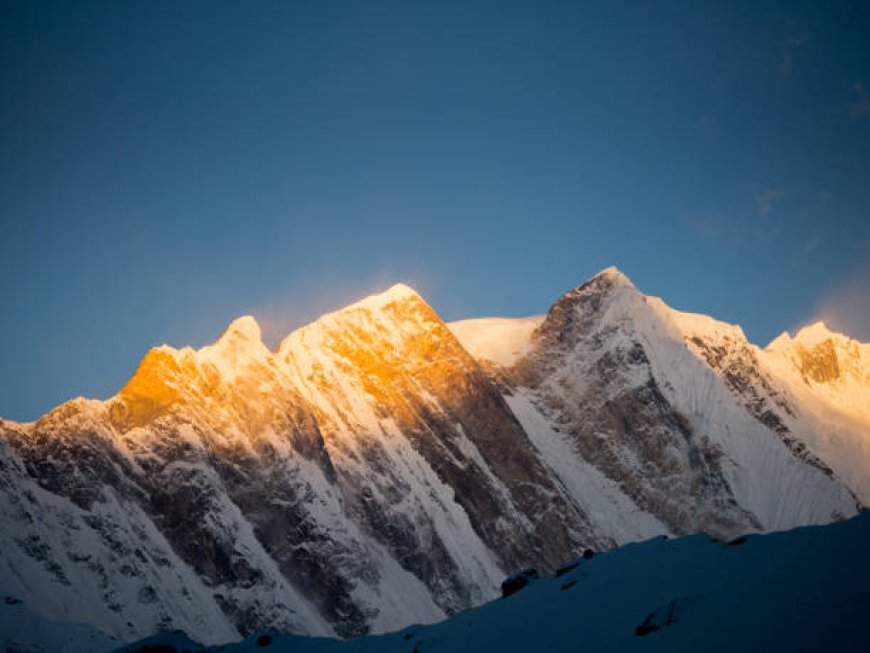
The Ghorepani Trek is one of Nepals favorite trekking trails, drawing thousands of hikers annually. It's sought after for being an enchanting combination of stunning natural wonders, cultural treasures, and easy accessibility. However, unlike other more demanding Himalayan treks, Ghorepani offers a moderate edge, perfect for experienced and beginner trekkers, and a brilliant introduction to Nepals mountain trails. The?best part of this hike is Poon Hill, a viewpoint famous for its spectacular sunrise views of the Annapurna and Dhaulagiri ranges. The view of that first light twinkling off snowy ridges is just something you never forget.
In addition to the amazing mountain views, the trail was loaded with cultural experiences. It goes through typical Gurung and Magar villages, which means trekkers can experience the real Nepalese mountain life, hospitality, and colourful local festivals. The friendly receptions at the teahouses, along with the chance to sample local food and to hear about customs, add distinctive elements to the trip.
Another reason for Ghorepani's popularity is having good infrastructure. The trail is lined with plentiful teahouses and lodges for food and sleeping. This makes the trek doable without fancy camping equipment or elaborate planning. With a mix of natural beauty, cultural discovery, and convenience, Ghorepani Trek remains the most popular trekking destination in the Annapurna region.
Booking Time: Planning for Peak Season Ahead
You must ensure you book your Ghorepani Hike Nepal well in advance, particularly if it is during busy periods. The ideal trekking seasons are spring (March to May) and autumn (September to November) when the weather is stable, the sky is clear, the countryside is covered in flowers, and the clear mountain views are spectacular. These are the times when there are some sort of festivals or holidays, and the demand for the lodges and guides goes up. Therefore?late bookings during these periods may be difficult and costly.
If you want to lock in your date, its a good idea to start planning and book two or three months ahead. Booking early means you will have access to credible guides, porters, and good accommodation on the trek. Flights to and from Nepal should also be booked well in advanceinternational sectors book out during peak trekking months.
Off-peak seasons, including winter and monsoon, tend to see fewer crowds but have trade-offs like colder temperatures or rainy weather, which may impact trail conditions and visibility. If you prefer to walk during these quieter times, you may also get away with a little more flexible booking; however, one should be prepared for potentially limited services.
In conclusion, ?planning is the secret to enjoying an easy and pleasant Ghorepani Trek. You will increase your chances of experiencing a less stressful experience, better budget management, and a more focused journey by securing your permits, guides, and accommodation in advance.
How to find the best Trekking Agency or Guide.
Choosing the perfect trekking company or the perfect guide is a big deal when it comes to your trek to Ghorepani. A good agency will not only give you logistical support but also an added level of safety, cultural insight, ?and knowledge about your destination that will make your trip so much better. When selecting an agency, seek those who have strong reviews, transparent pricing, and a dedication to ethical and sustainable tourism practices.
Your trek is enhanced by a knowledgeable guide who provides insight into the area and local culture, history, or politics, who will make sure you acclimate well and are safe along the way. That trekkers can hire porters to carry up to 20 kilos of their gear lessens the burden and makes the walk more manageable when slogging up a steep incline. Make sure your guide is a licensed guide with first aid and emergency response credentials.
Decide what sort of experience youre looking for: group tours offer social interaction and cost savings, but you gain flexibility and more personalized attention on private treks. Many outfitters are able to customize itineraries based on your fitness level and your interests.
It also makes permits and hotels easier, which saves a lot of time and hassle. If possible, ?ask exactly whats included in your package meals, permits, equipment, insurance to avoid nasty surprises.
In the end, a reliable agency and guide make for a safe and fun trek that ensures you can concentrate on the beautiful scenery and vibrant culture that make the Ghorepani route so special.
Understanding The Permits And Regulations Ghorepani Trek
It's important to know what permits and regulations you'll need before you start the Ghorepani Trek so you can travel safely and legally. The trail goes through the Annapurna Conservation Area, the country's first and largest conservation area, which is protected by the National Trust for Nature Conservation and the Annapurna Conservation Area Project. Trekkers need to get 2 permits: ?Annapurna Conservation Area Permit (ACAP) and the Trekkers Information Management System (TIMS) card.
The ACAP permit assists in funding the conservation as well as the community infrastructure aspects in the region. It is available at the Nepal Tourism Board office in Kathmandu or Pokhara, or on entry to the conservation area on the way to Nayapul. The TIMS (Trekkers Information Management System) card is a registration provided by the Nepalese government to regulate trekking and to improve safety.
While you are hiking, permits are to be with you and presented at checkpoints. The fee might depend on your citizenship and the length of your stay, so be sure to consult the latest information before your trip. Permits can be arranged from a trekking agency or a guide to avoid any fraudulent issues and waste of time.
The Ghorepani Trek is also under environmental regulations designed to save the area from destruction, as it has become a very popular tourist destination. Knowing and following these laws not only helps the environment but also promotes an ecotourism that provides for the communities in these areas.
Having the right knowledge in regards to permits and regulations makes your trek more easygoing, and preserves the natural beauty of the Annapurna region for future visitors.
Booking Teahouses and Lodges Some Tips
Tea houses and lodges are the main types of accommodations in the Ghorepani Trek, which provide no-frills services but a cosy stay. Because the trek is so popular, especially in high season, its worth planning your accommodation strategy carefully to ensure the best possible experience.
Some trekkers prefer to book rooms in advance, especially for popular stops such as Ghorepani and Poon?Hill, which have the best spots to see the sunrise. Its worth booking ahead to secure yourself a bed, particularly at smaller or family-run lodges that offer a more genuine, quieter experience than their larger, busier counterparts.
Thats not the case for all teahouses, but most are also first-come, first-served serve and getting in there early in the day is a good chance to get an available room without a reservation. If you want flexibility, you can also wait to reserve each night on the trail, but you might run into crowded accommodations at the busiest times.
A sleeping bag liner or sheet can be a nice thing to have for hygiene, since not all teahouses provide laundered bedding. Also, remember that facilities range far and wide some lodges feature hot showers and Wi-Fi, while others only offer dinner and a simple room.
In the mountains, local, family-owned teahouses can thrive thanks to your dollars. Check when you book, whether bathrooms or breakfast are included, or whatever other provisions may allow you to stay in greater comfort.
With a little forethought and flexibility, ?lodging on the Ghorepani Trek can enhance your Himalayan experience.
Packing for Pleasure: What to Take to Avoid Last-Minute Hassles
Packing well is the secret to a peaceful Ghorepani Trek. The Himalayan trail requires you to be ready for all types of weather and terrain, and altitude, so pack mindfully to avoid last-minute problems. 4) Dress in layers. Choose an outfit of lightweight, moisture-wicking clothing in layers (think thermal base layers, fleece jackets, and a waterproof shell). It lets you dress like an onion, so you can go from the heat of the day to the cold of morning and evening.
Footwear is critical: Bring stout, broken-in hiking boots with ankle support and grip that can navigate rocky trails and uneven stone steps. Take extra socks with you to keep your feet dry and avoid blistered feet. And dont neglect a comfortable daypack, a headlamp with extra batteries, and a reusable water bottle or hydration system to keep you hydrated on the trail.
Other necessities are sunscreen, sunglasses, a wide-brimmed hat, and a basic first-aid kit including blister treatment and personal medications. Bring easy-to-carry snacks like nuts or energy bars for quick pick-me-ups during hikes. Dont forget to pack a sleeping sheet if staying in teahouses, as clean bedding can differ.
Pack it all in your packing cubes or stuff sacks to save space and ease access. Examining the weather forecast before you leave and packing accordingly can help you not overpack or, worse, underpack and miss necessities. By planning these details, you will avoid the usual mishaps and be able to concentrate on absorbing the intoxicating beauty and culture of the Ghorepani Trek.
Transportation: Getting to the Starting Point & Back Can Be Difficult
Arriving at the beginning of the Ghorepani Trek so smoothly begins your journey on the right foot. Nayapul is an hour and a half drive from Pokhara, a beautiful trekking town that attracts thousands of trekkers in the Annapurna region to start their journey. Pokhara, a city with an airport and bus terminals that are well connected throughout the country, ?is the easiest for most people to reach from Kathmandu, the capital of Nepal.
Its possible to reach Nayapul from Pokhara in several ways. The most popular is by tourist bus or jeep, which takes around 1.5 to 2 hours. Jeeps are faster and more comfortable, but also more expensive than local buses. It is also a good idea to book transport ahead of time in the high season to ensure availability and avoid waits.
For those running short of time, there are also flights from Kathmandu to Pokhara, which will be far less time-consuming. Once in Pokhara, you can book transportation to Nayapul through your trekking agency or local travel companies for ease and safety.
Another option is to begin the trek from Tikhedhunga or Ulleri, according to the length of time. Whichever way you decide to reach the destination, make sure your means of transportation is reliable and that your ride is well-kept, for mountain roads are pothole-ridden.
Effective travel planning, such as taking into account local traffic directions and weather, puts you in a position to reach your destination refreshed and ready to welcome the trek without being tired or stressed out.
Health and Fitness: Preparing for a Trouble-Free Trek.
The right health and fitness preparation is crucial to ensure your Ghorepani Trek is as comfortable and as safe as possible. While the trip is a moderate one, the altitude, poor terrain, and daily ascents will demand good physical fitness.
Begin to prepare at least six to eight weeks before your trip. Keep engaging in aerobic activities such as walking, running, cycling, and swimming to build stamina. Strength training for your legs, core, and back to manage steep ascents and pack carriage. Walking uphill on bumpy ground or stairs (with a heavy backpack) imitates the conditions on the trail and will help build endurance.
Acclimatisation is essential to avoid altitude sickness. Schedule downtime or shorter hiking days at the beginning of your itinerary to give your body time to acclimate to the higher elevation. Drink plenty of water, abstain from alcohol, and pay attention to bodily cues along the way.
A healthy diet high in carbohydrates and some good proteins can help you feel energized and aid muscle recovery. If you have a history of altitude sickness or underlying health problems, speak to a doctor about altitude medication before departing.
Mindset is just as important. Cross-country hiking requires patience, endurance, and adaptability to accommodate fast-changing weather or trail conditions. You can ensure you get the most out of the Ghorepani trek if you at least have a good level of fitness and health beforehand.
Booking?Group vs Solo Treks: Advantages and Disadvantages
Trekking with a Group or Solo on the Ghorepani Trail. Ultimately, the choice between a group hike or a solo hike on the Ghorepani trail rests with your preferences, skill level, and way of travelling. Each alternative presents its strengths and some potential concerns.
When you are in a group, the gregarious cries of a Sherpa can be a way to break up this experience. You can get both socializing, pooling immediate costs (we neednt all buy that, lets share), and logistical ease. Youll be with a guide, and possibly with porters, which is safer, particularly for those new to trekking. Camps on the trek promote unity, making the journey fun and self-enlightening. But group itineraries can be less flexible, and you may have to rely on the space and interests.
Trekking alone allows you to be autonomous in the choice of itinerary, pace, and rest stops. It's for those who are self-sufficient, like solitude, and want to be independent. Solo trekking can be cheaper, assuming you carry your gear, but it takes a lot more planning and risk management. Unaccompanied, you need to find your way around, organise permits, and work around problems all on your own (which can be quite difficult in very remote areas).
Both afford immersion in culture and breathtaking beauty, but think about your level of experience, how comfortable you are with things going sideways, and how much you want companionship when you make a choice. Others mix the two, trekking in a group for certain stretches and independently for others.
Being Flexible: Alternatives for Weather and Trail Conditions
The hike to Ghorepani can cause an adventurous hiker to be flexible. The best seasons can also bring news disappointments: It rains suddenly, theres fog, or landslides. And having backup plans in place makes for a safe and enjoyable hike.
Include more buffer days in your plan for flight delays or practice more acclimatization. When trails are impassable, Learn alternative routes or nearby villages where you can stay if trails become impassable. Keep updated with weather forecasts and consultations with trekking guides or teahouse owners.
Bring the right gear for unpredictable weather rain jackets, ?warm layers, and waterproof bags keep you and your stuff dry. No need to blast through the shitty when the going is hardest and instead opt for safety over sticking complacently?to your schedule.
Communication devices such as a charged phone with a locally acquired SIM or a satellite messenger could save your life in weather reports and emergencies. Accept with a flexible mind, and it can help you enjoy the dynamic environment of the Himalayas and cope with a variety of situations faster, and shows good effects in the long run.
How many steps to Ghorepani?
The steps it takes to get to Ghorepani vary according to where you start and what route you take, but one of the most well-known sections -from Ulleri to Ghorepani- involves going up about 3,200 stone steps. Though this is one of the hardest parts of the trek after all, you are nearly at 5,000 meters the views are great and its a strong sense of accomplishment. In general, there are a lot of stairs in bits and bursts, over several days.
How much does the Ghorepani trek cost?
How expensive is the Ghorepani Trek? The cost Ghorepani Trek depends on the style of your trek. Budget trekkers pay around $20 to $30 per day, including teahouse accommodation, ?meals, and basic permits. The addition of a guide and porter will cost you about $25$35 per day. So, 5 5-day trek can average anywhere from $150 to $400+, depending on whether you trek independently or with a guide, lodging options, and transportation.
A combined permit (Annapurna Conservation Area Permit & TIMS) costs around $30 to $40. Passenger flights and transportation to Pokhara and Nayapul are extra expenses.
How to reach Ghorepani?
Ghorepani can be reached on foot through the popular trekking route, for most trekkers, that begins at Nayapul, a small town an hour and a half's drive away from Pokhara. To reach there, most travelers fly or hop on a bus (about a six-hour ride) from Kathmandu to Pokhara. From Pokhara, rent a jeep or grab a tourist bus to Nayapul. Then the walk starts with a gentle climb into the villages of Tikhedhunga and Ulleri to arrive at Ghorepani within 3-4 days of hiking.
How hard is the Ghorepani Poonhill Trek?
The Ghorepani Poon Hill Trek is relatively moderate to?easy trek in Nepal! It is easy for novices to achieve good physical fitness and also safe for families. The main difficulty is a continuous uphill walk and frequent steep stone steps, especially around Ulleri. The maximum elevation (approximately 3,210 meters?at Poon Hill) is moderate, making it less likely to cause life-threatening altitude sickness than higher treks. The teahouses and clearly defined trails make it a comfortable trek.