



















Top 2025 Trends Shaping Commercial Interior Design and Corporate Office Interiors
Discover the leading 2025 trends in commercial interior design and corporate office interior design that are transforming workplaces for the future.


Designing workspaces has evolved far beyond choosing stylish furniture or painting walls. As businesses adapt to hybrid work, employee wellness, and technological integration, the approach to creating effective commercial interior design and corporate office interior design is transforming. The year 2025 is expected to see bold changes that blend innovation, comfort, and sustainability.
Lets explore the top trends that will define how companies shape their commercial spaces and corporate environments in the coming year.
1. Sustainable and Eco-Conscious Designs
Sustainability is no longer an optionits a necessity. Businesses are choosing eco-friendly options in both commercial interior design and corporate office interior design to reduce their carbon footprint and build a responsible brand image.
Key elements include:
-
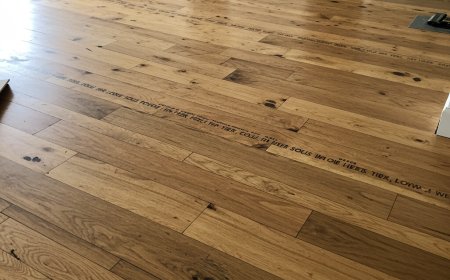
Use of recycled or renewable materials like bamboo, cork, and reclaimed wood
-
Low-VOC paints and finishes for healthier indoor air
-
Energy-efficient lighting and appliances
-
Green certifications like LEED or WELL for buildings
Sustainable practices not only appeal to eco-conscious clients but also create a healthier workspace for employees.
2. Flexible and Modular Workspaces
The shift to hybrid work has pushed companies to rethink their traditional layouts. Offices now need to support both collaboration and individual focus. This has led to the popularity of flexible and modular work zones in commercial interior design.
Popular features:
-
Movable desks and walls
-
Foldable conference areas
-
Modular lounge areas that can serve different functions
-
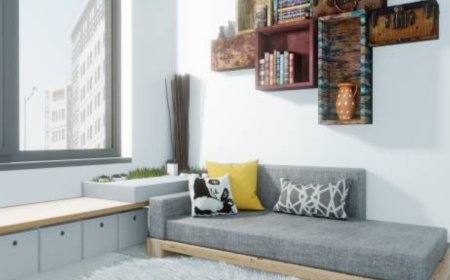
Multi-use furniture like bench desks with storage
Such dynamic layouts are especially important in corporate office interior design, where departments often require customized work setups.
3. Technology-Integrated Spaces
As technology continues to influence how people work, office designs are integrating smart solutions. Modern commercial interior design often includes tools that enhance productivity and communication.
Key integrations:
-
Touchless entry and lighting controls
-
Video conferencing tools built into meeting rooms
-
Smart desks that track usage and availability
-
Digital room booking systems
These upgrades in corporate office interior design streamline work while keeping the environment user-friendly and future-ready.
4. Biophilic Design for Well-Being
Biophilic design connects employees to nature, even inside a corporate building. It helps reduce stress, improve mood, and enhance productivity.
Design strategies include:
-
Living walls with real plants
-
Indoor trees and large potted greenery
-
Natural light through skylights or full-length windows
-
Nature-inspired textures and patterns
Incorporating these elements into both commercial interior design and corporate office interior design allows companies to foster a healthy, uplifting workspace.
5. Focus on Employee Wellness and Comfort
Workplace well-being is gaining attention across industries. Employers are now investing in design choices that directly improve employees mental and physical health.
Wellness-focused features:
-
Ergonomic chairs and height-adjustable desks
-
Quiet zones for focused work or relaxation
-
Better acoustics to reduce noise stress
-
Breakout zones that promote informal interactions
These wellness-centered upgrades are critical for both commercial interior design and corporate office interior design as they directly impact employee satisfaction and retention.
6. Use of Bold Colors and Textures
Gone are the days of dull, beige office spaces. In 2025, bold color palettes and rich textures are making a comeback. Designers are using color psychology to influence mood and energy levels.
Trendy choices include:
-
Deep blues and forest greens for calm and focus
-
Terracotta or mustard shades for warmth and energy
-
Textured wall panels, statement lighting, and layered fabrics
These elements help companies express brand identity through commercial interior design while making corporate office interior design more inviting and personalized.
7. Inclusive and Accessible Design
An inclusive workspace considers the needs of all users. More companies are prioritizing accessibility in their commercial spaces.
Inclusive design features:
-
Wider doorways and ramps
-
Adjustable lighting and furniture for different needs
-
Visual and auditory cues for navigation
-
Quiet zones for neurodivergent employees
Accessibility is not just about complianceits about creating a space where everyone can thrive, which is essential in corporate office interior design.
8. Brand-Centric Spaces
Designing workspaces that reflect a companys identity is becoming a key focus. Office interiors now tell a story about the brands mission, values, and culture.
Common techniques:
-
Incorporating brand colors and logos
-
Story walls that highlight company milestones
-
Custom art installations
-
Culture-driven layouts that support how teams work best
Brand-aligned commercial interior design and corporate office interior design help strengthen team spirit and leave a strong impression on clients and visitors alike.
Conclusion
The landscape of office design is rapidly evolving, with commercial interior design and corporate office interior design playing a central role in shaping the future of work. In 2025, the focus is clearbuild spaces that are flexible, sustainable, tech-friendly, and people-first.
Whether it's through biophilic touches, modular furniture, or a deeper connection to brand identity, businesses are moving toward designs that not only look good but also function with purpose. Staying ahead of these trends ensures a more productive, healthier, and inspiring work environment for everyone.