

























Does Massage Therapy Really Improve Blood Circulation?
Discover how massage therapy supports blood circulation, oxygen delivery, and muscle relaxation. Learn the long-term vascular health benefits of regular massage.

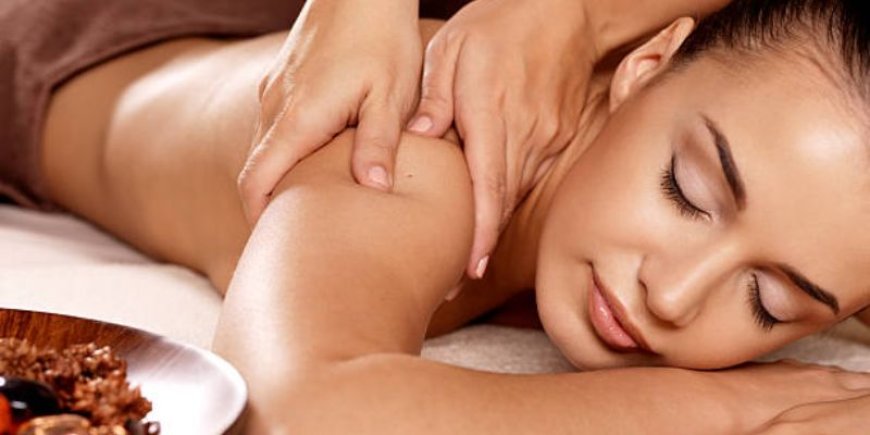
Relaxation and the release of tense muscles have long been linked to massage treatment. Beyond the calming effect, however, there is increasing curiosity in whether massage might actually improve internal physiological processes, particularly blood circulation. Understanding how therapeutic touch can influence vascular health requires examining the mechanisms at play during and after a session.
The Science Behind Massage and Blood Flow
Blood circulation is vital to overall health. It ensures oxygen and nutrients are delivered efficiently to tissues and that waste products are removed. Poor circulation can lead to fatigue, swelling, numbness, and slowed healing.
Massage therapy contributes to blood flow stimulation primarily through mechanical pressure. When muscles are manipulated using various techniques like effleurage (gliding) or kneading the therapist applies pressure that compresses soft tissues. This mechanical action pushes blood through congested areas, encouraging fresh oxygenated blood to flow in as the pressure is released. This increase in local circulation can also enhance the delivery of nutrients and promote reduced swelling in areas that are inflamed or stiff.
Therapeutic touch also promotes muscle relaxation. When muscles are tense, they can restrict blood vessels, reducing the flow of blood. Massage helps soften these tissues, relieving the compression on vessels and improving overall vascular health.
A Spa in Chennai offering full-body massage sessions may not only help alleviate stress but also contribute to improved blood flow and physical recovery.
Can Regular Massages Improve Blood Flow Naturally?
Yes, regular massages can improve blood flow naturally, according to multiple studies in the field of physical therapy and sports medicine. Unlike temporary stimulation from a single session, consistent massage therapy has cumulative effects.
When massage is integrated as part of a wellness routine, it supports long-term circulatory efficiency. Over time, the body becomes more responsive to therapeutic touch. Tissues that were once rigid may begin to regain flexibility, and the natural pumping action of massage can complement the bodys own circulatory rhythms. This results in improved oxygen circulation throughout the system and may enhance mobility in joints that were previously stiff or underperforming due to poor vascular support.
Massage can also influence the autonomic system by promoting a relaxed state, leading to reduced heart rate and improved peripheral circulation. These subtle shifts make it easier for the cardiovascular system to distribute blood efficiently, especially in those with sedentary lifestyles or high stress levels.
Local Circulation vs Systemic Benefits
Its important to distinguish between localized and systemic improvements. While massage is especially effective at increasing circulation in targeted muscle groups, repeated treatments can have broader systemic benefits. For example, a back massage can promote improved circulation not only in the tissues being worked on but also in surrounding areas due to general vasodilation (widening of blood vessels) and relaxation.
This broader impact may also aid individuals recovering from injury or managing chronic conditions like diabetes, where poor circulation can be a concern. Though massage is not a cure, it can be a valuable complement to medical treatment plans focused on vascular health.
Practitioners at a Spa in Velachery, for instance, may use specialized techniques like deep tissue or Swedish massage to target muscle layers that are closer to the vascular system, helping clients achieve both comfort and circulatory benefits.
Different Massage Techniques and Their Circulatory Effects
Not all massage techniques affect blood circulation in the same way. Swedish massage, with its long, gliding strokes, is particularly effective for general blood flow stimulation and relaxation. Conversely, deep tissue massage works on deeper muscle fibers and can aid in the removal of adhesions that might be obstructing circulation and mobility.
Sports massage, often used by athletes, focuses on flushing out metabolic waste and encouraging nutrient delivery to overworked tissues. Similarly, trigger point therapy helps release tight knots in muscles, which often restrict local blood supply and cause discomfort.
Regardless of the specific technique, the common goal is improved tissue perfusion, which supports oxygen delivery and waste removal. These processes are crucial for maintaining energy levels, reducing fatigue, and aiding in post-exercise recovery.
Long-Term Impact on Vascular Health
Massage therapy, when used consistently, may contribute to the long-term maintenance of vascular health. It encourages the elasticity of blood vessels and supports their function over time. Improved circulation also contributes to better skin tone, faster healing of injuries, and reduced discomfort from muscle fatigue.
Those who receive massage regularly often report an increase in overall energy, better sleep quality, and greater mobility all of which are indirectly related to improved circulation. Those who lead sedentary lives or have restricted physical exercise because of age, work, or injury would particularly benefit from this.
An experienced therapist at a Spa in Anna Nagar might tailor massage sessions to suit the circulatory needs of older adults or individuals with joint stiffness, helping support the body's natural healing and regulatory processes.
Massage therapy is more than just a way to unwind. Its benefits on circulation are widely known, especially when it comes to vascular support and muscle rehabilitation. Consistent massage therapy has the ability to enhance blood flow in a natural and comprehensive way, while outcomes may differ based on technique, frequency, and personal health problems.
As part of a balanced wellness plan, massage can complement physical activity, stretching, and nutrition to support healthy circulation. For those seeking both therapeutic and preventive benefits, the full-body massage benefits extend far beyond temporary relief.
Le Bliss Spa, known for its wide range of bodywork therapies, incorporates techniques aimed at enhancing both physical and internal wellness circulation. Through regular, thoughtful sessions, massage becomes not just a momentary comfort but a meaningful contributor to long-term vascular health.