



























How to Maintain Your Lifeguard Certification
In this article, we will walk you through how to maintain your lifeguard certification effectively and responsibly, while emphasizing the sport-related benefits and personal growth that come from staying current.

Staying certified as a lifeguard is just as important as earning your initial certification. Its not only a legal requirement in most jurisdictions, but it also ensures that your lifesaving skills remain sharp and up-to-date. For those who take lifeguarding seriouslywhether as a profession, part-time job, or athletic pursuitmaintaining certification through the American Lifeguard Association (ALA) is essential.
In this article, we will walk you through how to maintain your lifeguard certification effectively and responsibly, while emphasizing the sport-related benefits and personal growth that come from staying current.
Why Lifeguard Certification Needs Maintenance
Lifeguarding is more than watching over swimmersits a high-stakes athletic responsibility. Emergencies can arise without warning, and a lifeguard must act with speed, precision, and confidence. Lifesaving techniques and safety protocols are continually updated based on the latest research and technology. As a result, certified lifeguards must periodically recertify to ensure their training aligns with current standards.
The American Lifeguard Association mandates regular recertification to maintain an active status. A lapse in certification not only puts swimmers at risk but can also jeopardize your employment or eligibility to work in aquatic environments.
Step 1: Know When Your Certification Expires
The first step in maintaining your certification is understanding its duration. Most ALA certifications are valid for two years. Its your responsibility to track the expiration date and plan for recertification before your credentials lapse.
Many aquatic centers and employers require lifeguards to stay continuously certified. Letting your certification expire could mean re-taking the full lifeguard course instead of a shorter and more cost-effective recertification class.
Step 2: Take a Lifeguard Recertification Course
The American Lifeguard Association offers specialized recertification courses designed for those who already hold a valid certification. These programs focus on refreshing your skills, updating your knowledge, and re-evaluating your performance in essential areas:
-
CPR for the Professional Rescuer
-
AED (Automated External Defibrillator) usage
-
First Aid
-
Water rescue techniques
-
Spinal injury management
-
Active and passive victim retrieval
The course typically lasts 1-2 days, depending on the organization and your preparedness. Youll undergo both written testing and practical evaluations.
Step 3: Practice Your Skills Regularly
Lifeguarding is an athletic activity, and like any sport, it demands regular practice. Waiting until the week before recertification to brush up on techniques may not be sufficient.
Create a routine that includes:
-
Swimming laps to maintain endurance
-
Timed rescue drills with fellow lifeguards
-
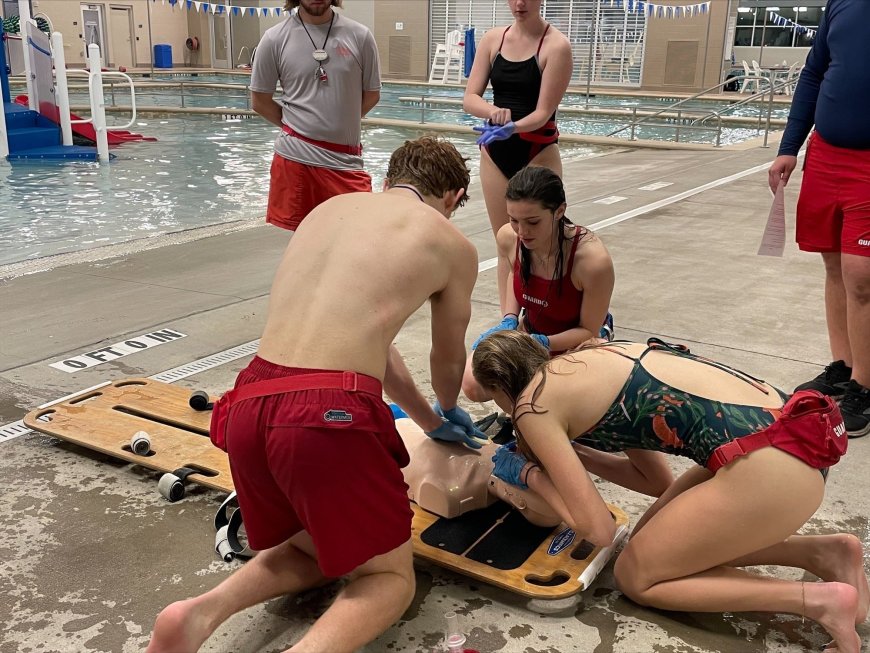
CPR simulations using manikins or partners
-
Reviewing first aid procedures through videos or guides
Being physically fit and mentally sharp improves your chances of passing recertification and performing effectively in real-life scenarios.
Step 4: Attend Workshops and Seminars
The American Lifeguard Association often collaborates with aquatic organizations to host lifeguard training workshops and safety seminars. These events are great opportunities to:
-
Network with other lifeguards
-
Learn about new lifesaving equipment
-
Stay informed on updates in water safety policies
-
Sharpen your skills with hands-on training
Engaging in continued education reflects your dedication to the profession and ensures you stay at the top of your game.
Step 5: Stay Active in the Lifeguarding Community
Being a lifeguard isnt just a jobits a lifestyle rooted in fitness, discipline, and leadership. By remaining involved in the lifeguarding and aquatic sports communities, you naturally keep your skills and knowledge fresh.
Consider:
-
Coaching or mentoring new lifeguards
-
Volunteering at local swim meets or triathlons
-
Joining a local lifeguard competition team
-
Participating in mock rescue drills and lifeguard challenges
These activities can improve your real-world performance and build a sense of camaraderie among peers.
Step 6: Maintain Physical and Mental Fitness
Lifeguarding demands peak physical performance. Being in shape is not only necessary for passing your recertification but also for ensuring you can respond effectively in emergencies.
Focus on:
-
Cardiovascular health through running, swimming, or HIIT
-
Strength training for endurance and victim retrieval
-
Flexibility and mobility exercises for injury prevention
-
Mental resilience techniques such as mindfulness and stress management
The American Lifeguard Association promotes a fitness-forward approach, acknowledging that athletic performance is a pillar of lifeguard excellence.
Step 7: Keep Your Records Updated
Once you recertify through ALA, ensure your credentials are accurately recorded with your employer or aquatic center. Always:
-
Keep a copy of your certification on file
-
Upload documentation to any employment portal, if required
-
Carry a physical or digital copy of your lifeguard card
Being able to quickly verify your status can be crucial when applying for jobs or participating in sanctioned events.
Step 8: Utilize ALA Resources
The American Lifeguard Association provides a variety of tools and resources for maintaining your certification:
-
Online course portals
-
Practice quizzes and test prep
-
Video tutorials for lifesaving techniques
-
Updates on changes to CPR and rescue protocols
-
Notifications for local recertification classes
Visit the ALA website regularly to stay connected and informed.
Conclusion
Maintaining your lifeguard certification is an ongoing commitmentone that reflects your dedication to safety, athleticism, and leadership. With the support of the American Lifeguard Association, staying certified is more accessible and empowering than ever.
By proactively planning your recertification, practicing regularly, and staying engaged with the lifeguard community, you ensure that youre always ready to perform when it counts. Whether you're guarding a pool, lake, or beachfront, your certification is more than a cardit's a badge of skill, strength, and responsibility.