

























Medications and Therapies for Restless Legs Syndrome
Explore proven treatments for Restless Legs Syndrome, including Gabapentin 300mg. Learn about medication options, therapies, and lifestyle changes for managing RLS symptoms.
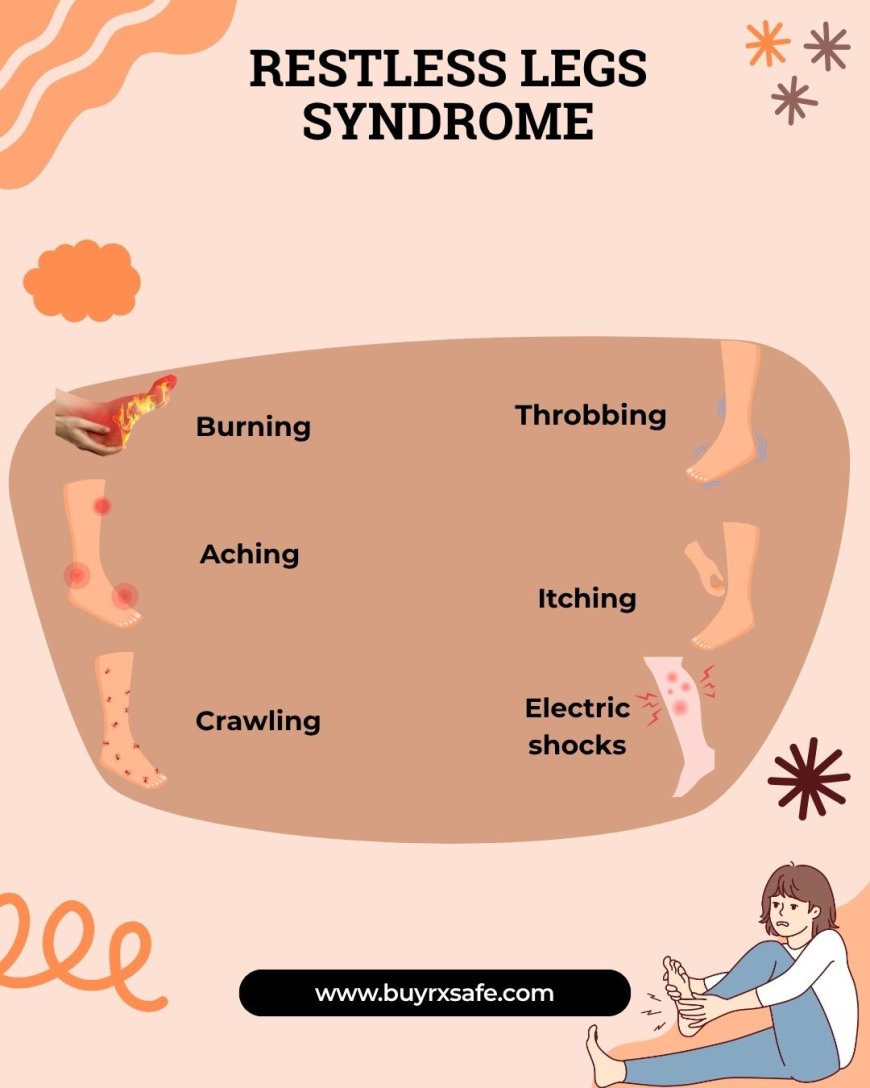
Restless Legs Syndrome (RLS) is a condition that causes an uncontrollable urge to move the legs. It usually happens during rest or sleep. This leads to poor sleep and fatigue. RLS can affect daily life and mental health. Finding the right treatment helps manage the symptoms and improve sleep.
Understanding the Need for Treatment
RLS is not just about movement. It affects sleep, mood, and work. Without treatment, the condition worsens. The legs feel strangetingling, crawling, or itching. Movement helps for a short time, but symptoms return.
People may experience symptoms during long trips, bedtime, or even sitting still. The goal of treatment is to reduce the urge to move, improve sleep, and stop the discomfort.
Role of Gabapentin 300mg in RLS
Gabapentin 300mg is commonly used to treat RLS. It affects the nerves and calms the symptoms. The active ingredient, Gabapentin, changes the way nerves send signals in the brain. This helps reduce the sensation in the legs.
Gabapentin is especially useful when RLS symptoms are painful. Doctors also prescribe it for people with nerve-related conditions. It improves sleep by reducing leg movement at night. This medicine does not cure RLS but makes the symptoms manageable.
Dopamine Agonists
Dopamine agonists are often used for RLS. These drugs increase dopamine activity in the brain. Dopamine helps control muscle movement.
Common Dopamine Agonists:
-
Pramipexole
-
Ropinirole
-
Rotigotine (skin patch)
These drugs work well in moderate to severe RLS. They reduce the urge to move and improve sleep. Side effects may include nausea or dizziness.
Iron Supplements
Iron deficiency can cause or worsen RLS. Iron helps with brain function. Low iron affects dopamine production.
Doctors check ferritin levels in the blood. If the levels are low, iron supplements may help. Oral or IV iron can reduce RLS symptoms. It is important to take iron with a doctors advice.
Foods rich in iron also support treatment. Spinach, beans, red meat, and lentils are good sources.
Opioids for Severe Cases
When other drugs do not work, opioids may be used. They reduce pain and calm nerve activity. They are only given in severe cases.
Commonly Used Opioids:
-
Tramadol
-
Oxycodone
-
Methadone
Opioids are not for long-term use. They may lead to dependency. Regular check-ups are necessary.
Anticonvulsants Other Than Gabapentin
Gabapentin is not the only anticonvulsant used. Pregabalin is another option. It works like Gabapentin. It slows down overactive nerves.
These medicines are helpful when the symptoms include pain. They are also good for people who cannot take dopamine agonists.
Lifestyle and Behavioral Therapies
RLS management also includes lifestyle changes. Daily habits can affect symptoms.
Simple Lifestyle Changes:
-
Walk or stretch before bedtime
-
Avoid caffeine, alcohol, and nicotine
-
Take a warm bath
-
Use cold or hot packs
Sleep Hygiene Tips:
-
Go to bed at the same time
-
Keep your room cool and dark
-
Avoid screens before bed
Therapies like yoga and meditation help lower stress. Relaxation reduces the feeling in the legs. Massage therapy and acupuncture may also help some people.
Exercise and Physical Therapy
Exercise is helpful for RLS. Regular movement during the day reduces nighttime symptoms.
Recommended Activities:
-
Walking
-
Swimming
-
Light stretching
-
Cycling
Avoid intense workouts before bedtime. Gentle activities help more. Physical therapy with a trained therapist may focus on relaxing the muscles and improving circulation.
Pneumatic Compression Devices
These devices are worn on the legs. They apply pressure to improve blood flow. Some people find relief from symptoms with this method.
The device inflates and deflates in cycles. It can be used before sleep. It is non-drug therapy with low risk.
Vibrating Pads and Electrical Nerve Stimulation
Vibrating pads or foot wraps create gentle movement. This helps stop the leg sensations.
Electrical nerve stimulation sends mild signals to calm nerve activity. These are safe for most users. Results vary from person to person. They are helpful when used with other treatments.
Cognitive Behavioral Therapy (CBT)
CBT helps people manage the stress and anxiety linked to RLS. It changes how people react to the discomfort.
A therapist works with the person to reduce worry. CBT improves mood and sleep patterns. It is useful when RLS causes insomnia or depression.
Sleep Aids and Sedatives
Doctors may use sedatives to help with sleep. These do not treat RLS directly but help the person rest.
These are short-term solutions. They should be used with care. Regular monitoring is needed to avoid dependency.
Risks of Untreated RLS
If RLS is not treated, it leads to long-term problems. Poor sleep affects memory, mood, and work. People may feel tired during the day.
Some people avoid travel, social events, or sitting at work. This affects life quality. Treatment helps avoid these problems.
Gabapentin 300mg is one of the trusted medicines for relief. It is well-tolerated and easy to take. With the right dose and routine, people feel better and sleep well.
Choosing the Right Treatment Plan
There is no single treatment for everyone. Doctors look at symptoms, health history, and lifestyle.
A mix of medication and therapy works best. Start with changes in habits. Add medicine if needed. Follow-ups help track progress.
Tips for Managing RLS at Home
-
Keep a diary of symptoms
-
Avoid large meals before bedtime
-
Sleep on a schedule
-
Raise the legs while sitting
-
Use distractions like reading or music
Gabapentin 300mg can be part of the plan. It controls symptoms and improves sleep. Consult your doctor before starting any new medicine.
Conclusion
Restless Legs Syndrome can disrupt sleep and daily life. Treatment options like Gabapentin 300mg, dopamine agonists, and lifestyle changes offer real help. Adding iron, therapy, or devices also supports recovery.
Managing RLS means improving life quality. With the right plan, people sleep better and feel more energetic. Talk to a doctor to find the safest and most effective option.